Learning Moral Courage from Martin Luther King Jr.
Share this content :
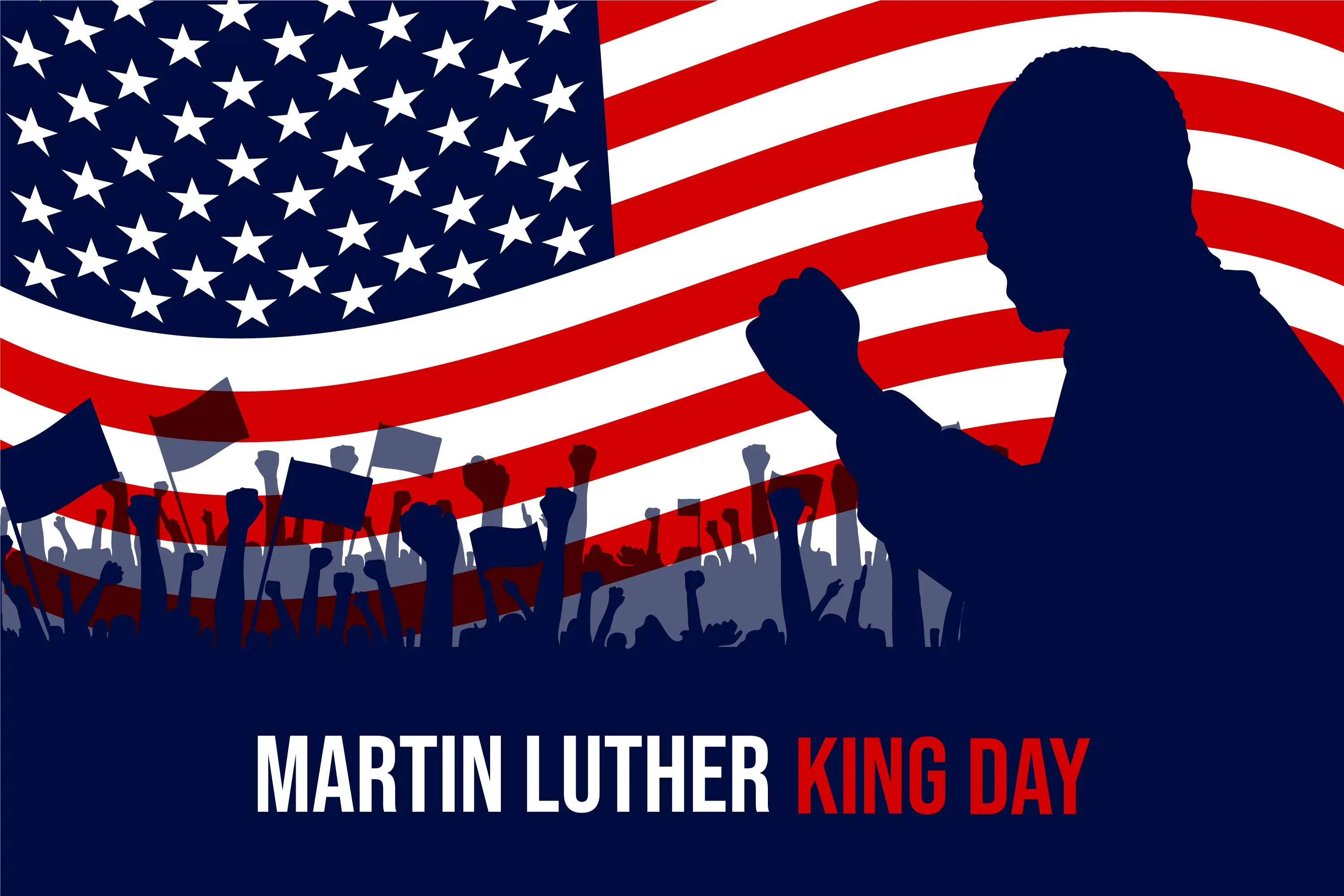
When you hear the words moral courage, civil rights, or social justice, one name always comes to mind: Martin Luther King Jr. But here’s the thing—King lived what he preached. Every step and risk he took came with a cost. And that’s something we can all learn from.
Standing for what’s right isn’t easy. It rarely comes with applause, comfort, or safety. King’s life was a masterclass in what it means to pay the price for principle—because the fight for justice extends by practicing ideals into action. That’s what moral courage is.
What is Moral Courage?
Moral courage is about doing the right thing even when it’s scary, inconvenient, or downright dangerous. King knew this better than most. He chose nonviolence in a world filled with violence. That wasn’t weakness—it was strategy. It took courage: patience, strength, and a refusal to let hate dictate his actions.
During the Civil Rights Movement, King faced threats, jail, and constant danger. His Letter from Birmingham Jail was a wake-up call. Justice isn’t something you wait for. It’s one of the fights that you have to push for, even if it means losing everything.
Social Justice is More Than Laws
King’s fight for civil rights went beyond ending segregation. He wanted real, lasting social justice. That meant fair pay, better schools, safe neighborhoods, and opportunities for everyone. His Poor People’s Campaign in 1968 was all about that—uniting people across races to fight economic injustice. He understood that civil rights without economic fairness isn’t real freedom.
King’s vision reminds us that social justice is about tackling the systems that keep people down. And that kind of work takes time, focus, and, yes, moral courage.
Moral Courage in Action
King’s moral courage was a daily choice, a mindset he lived every day. Translating his words into today’s world means understanding that courage starts with the individual but ripples outward to create collective change. Here’s what that looks like in practice:
- Reflect on your values and identify what you’re willing to stand for, even when it’s uncomfortable.
- Practice small acts of integrity every day. Speak up for fairness, own mistakes, or hold yourself accountable.
- Embrace discomfort as a sign you’re stretching your moral boundaries.
2. Stand for social justice.
- Step into situations where fairness or equity is at stake, whether in your workplace, community, or online spaces.
- Volunteer or advocate for causes that align with social justice, even if the impact feels small at first.
- Use your skills and resources to support others who may not have a voice or platform.
3. Respond with empathy in times of conflict.
- When faced with hostility, practice patience and understanding rather than reactionary anger.
- Seek connections that foster learning, respect, and collaboration.
4. Inspire collective action.
- Invite peers, colleagues, or community members to join causes aligned with civil rights and social justice.
- Lead by example—when others see courage in action, they are more likely to step up for themselves.
- Organize team or community initiatives that channel individual efforts into larger, tangible outcomes.
5. Measure change, not recognition.
- Focus on the real-world impact of your actions rather than external validation.
- Celebrate progress toward justice and fairness, even if it’s incremental.
- Understand that true courage creates long-term cultural and social shifts, not temporary applause.
King’s daily courage reminds us that real change starts with the individual but becomes unstoppable when amplified through collective action. It’s not flashy. It doesn’t go viral on social media. But when you live with moral courage, respond to hate with empathy, and inspire others to act, you change the world for everyone.
Your Move
Every January 19th, we celebrate Martin Luther King Jr., a figure who reminds us that skin color can never dictate one’s success or the direction of one’s life. It’s upon each of us to determine our own fate and destiny, and King’s life is proof of the power of choice, conviction, and action.
Fighting for what is right has always been important, but today, it has never been more crucial. King’s struggle is both timely and timeless, serving as a guide and a lesson for people and future generations. His life teaches us that moral courage, integrity, and commitment to justice aren’t abstract ideals—they’re daily practices that shape communities and redefine society.
The lessons of Martin Luther King Jr. are a blueprint. Every day, we get a chance to show moral courage, stand for justice, and lead with integrity.
So here’s the question: What are you willing to stand for today, even if it changes the course of your life or the lives of others?
Your impact starts with the stand you take right now.
Key Takeaways
- Moral courage is about action, not words. True courage shows up even when it’s risky.
- Civil rights require persistence. Laws are one thing, but real change takes ongoing effort.
- Social justice connects us all. Fairness isn’t just legal—it’s economic, social, and human.
- Principled leadership comes with sacrifice. Doing what’s right often costs comfort, popularity, and sometimes even life.
- Love beats hate. King showed us that compassion, even in the face of injustice, is powerful and transformative.
References
Martin Luther King Jr. actions and impact. (n.d.). Dr. Martin Luther King Jr. https://www.drmartinlutherkingjr.com/legacy/martin-luther-king-jr-greatest-accomplishments-and-impact/
How Martin Luther King Jr. shaped the social justice movement. (n.d.). Together for Social Justice. https://togetherforsocialjustice.com/social-justice-martin-luther-king/
Martin Luther King Jr. moral courage. (n.d.). Rancho Leadership Centre. https://rancholeadershipcentre.org/martin-luther-king-jr-moral-courage/
Share this content :