
Share this content :
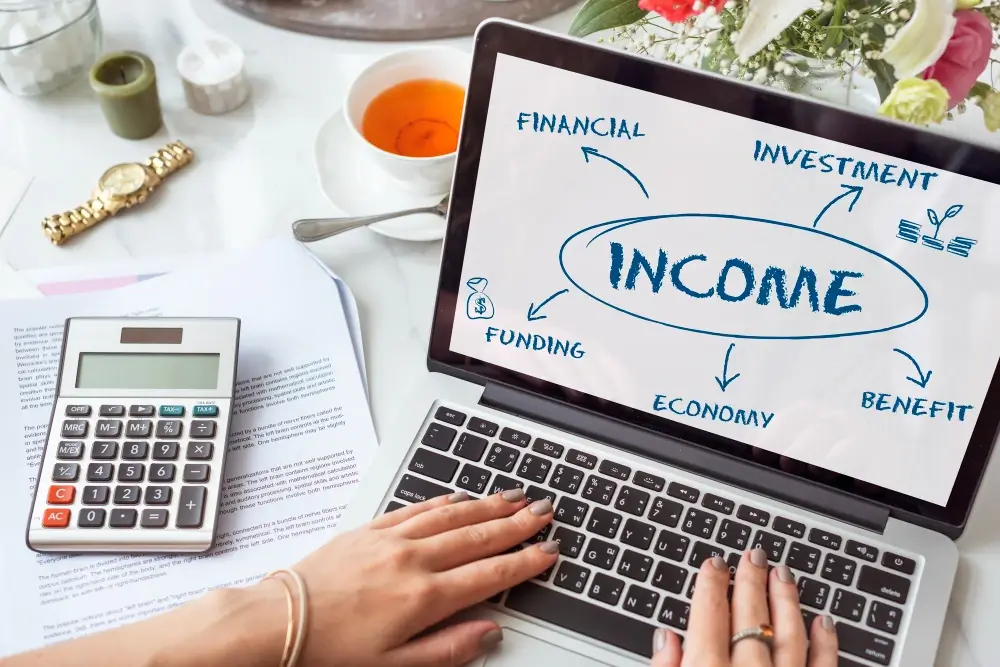
Financial literacy means understanding how money works in everyday life. That includes how to earn it, budget it, save it, spend it, and avoid common mistakes. It is not about becoming a finance expert overnight. It is about knowing enough to make better choices with the money you already have.
This matters more than many people realize. In 2024, only 63% of adults said they could cover a $400 emergency expense using cash or its equivalent, and only 55% said they had at least three months of emergency savings set aside (Board of Governors of the Federal Reserve System, 2025a, 2025b).
Financial education matters in everyday life. Small money mistakes can quickly build pressure, while practical money skills can help people make better decisions and stay more in control.
Financial literacy for beginners is all about learning the basic rules of money before money problems start controlling your life. Understanding what comes in, what goes out, what you owe, what you save, and what your next step should be.
At the beginner level, financial education usually starts with a few simple ideas: make a budget, save regularly, pay bills on time, avoid debt you do not understand, and build an emergency fund.
But, having a budget ensures you have enough money each month by clearly comparing your income and expenses (Consumer.gov, n.d.). Budgeting is a good starting point because financial literacy begins with visibility. If you do not know where your money is going, it is hard to improve it.
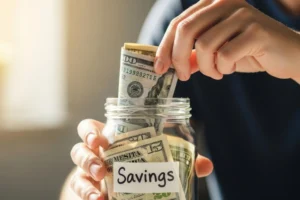
Saving works better when it is automatic. Set up a transfer from your paycheck or checking account to savings every month (MyMoney.gov, n.d.). Saving can begin with any amount you can afford, and starting small is still a real step forward (FDIC, 2024). Many beginners wait until they can save a big amount. Further delaying it becomes a habitual refusal of financial success.
Spending wisely does not mean never enjoying your money. It means knowing the difference between a planned expense and a recreation. A simple rule is this: if the purchase was not in your plan, pause first. Check your balance. Ask whether it helps your needs, your goals, or just your mood for the next ten minutes. Pausing can improve financial decisions over time, and easy goals help create a savings habit, which is one reason controlled spending matters too (FDIC, 2025).
Better financial habits usually start small. They do not begin with dramatic promises. They begin with repeatable actions. A beginner can start with three routines: Check account balances regularly, review spending once a week, and move a set amount to savings every payday. Remember: financial literacy grows when simple actions become normal.
Once you learn a few money management basics, daily life becomes easier to manage. Budgeting makes spending clearer. Saving becomes more consistent. Debt becomes easier to avoid or handle wisely. Financial education does not need to feel complicated. It just needs to be practical enough for real life.
Frequently Asked Questions (FAQs)
Budgeting is important because it helps you see how much money comes in, how much goes out, and what you can realistically save. A simple budget can make spending clearer and help prevent money from disappearing without a plan.
A beginner can start with any amount that feels realistic. Even a small amount saved regularly can build the habit. The goal at first is consistency, not perfection.
Start by tracking your spending for at least one week. Then separate needs, bills, savings, and wants. Before buying something on impulse, pause and ask whether it fits your budget or just satisfies a short-term mood.
Financial education matters because small money decisions can affect your daily life. Knowing the basics can help reduce stress, avoid common mistakes, and make your money easier to manage.
Money becomes easier to understand when financial advice is simple and practical. Learn clear budgeting, saving, and better money habits, helping beginners make smarter choices with more confidence.
Key Takeaways
Board of Governors of the Federal Reserve System. (2025a). Report on the economic well-being of U.S. households in 2024: Executive summary. https://www.federalreserve.gov/publications/2025-economic-well-being-of-us-households-in-2024-executive-summary.htm
Board of Governors of the Federal Reserve System. (2025b). Report on the economic well-being of U.S. households in 2024: Savings and investments. https://www.federalreserve.gov/publications/2025-economic-well-being-of-us-households-in-2024-savings-and-investments.htm
Consumer.gov. (n.d.-a). Making a budget. https://consumer.gov/your-money/making-budget
Consumer.gov. (n.d.-b). Debt explained. https://consumer.gov/debt/debt-explained
Federal Deposit Insurance Corporation. (2024, January 5). Starting small can lead to big savings. https://www.fdic.gov/consumer-resource-center/2024-01/starting-small-can-lead-big-savings
Federal Deposit Insurance Corporation. (2025, January 3). Saving for the unexpected and your future. https://www.fdic.gov/consumer-resource-center/2025-01/saving-unexpected-and-your-future
MyMoney.gov. (n.d.-a). Save and invest. https://www.mymoney.gov/saveandinvest
MyMoney.gov. (n.d.-b). Borrow. https://www.mymoney.gov/borrow
USA.gov. (2024, July 11). Tips for budgeting to meet your financial goals. https://www.usa.gov/features/budgeting-to-meet-financial-goals
Share this content :